
Your Ultimate Guide to Renting in Utah: Tips and Advice
Your Ultimate Guide to Renting in Utah: Tips and Advice
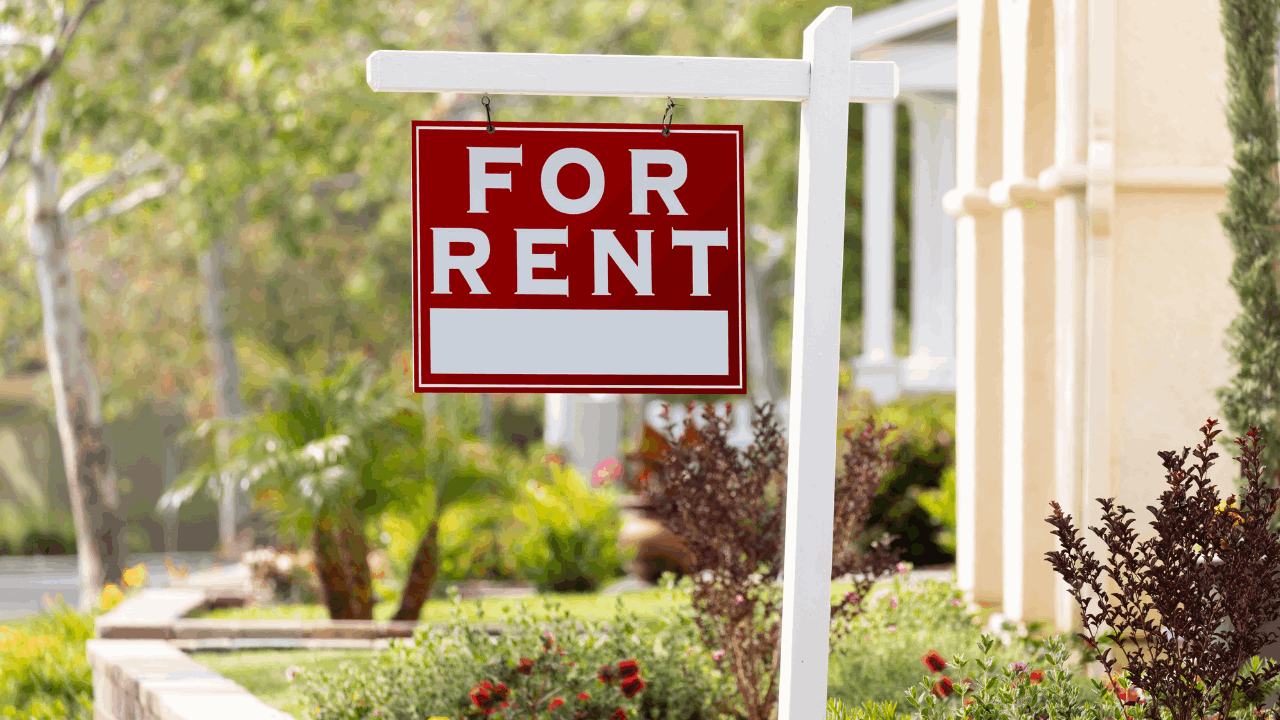
Welcome to our ultimate guide to renting in Utah! Whether you're a first-time renter or a seasoned pro, navigating Utah's rental landscape can be daunting. But don't worry, we're here to help. In this guide, we'll provide you with essential tips and advice to make your renting experience in Utah as smooth and hassle-free as possible.
First and foremost, it's crucial to understand Utah rental laws and tenant rights. Knowing your rights and responsibilities as a tenant can help you avoid legal battles down the line and ensure a pleasant relationship with your landlord. We'll dive into the specifics of Utah rental laws and tenant rights in the next section.
But before we get into the nitty-gritty, here are a few general tips to keep in mind:
Key Takeaways
- Do your research on the rental market in Utah before signing a lease to understand Utah tenant rights.
- Read your lease agreement carefully and understand your rights and responsibilities as a tenant (Utah evictions laws).
- Communicate effectively with your landlord to avoid misunderstandings.
- Document everything, from maintenance requests to rent payments.
- Stay informed about Utah rental laws and tenant rights Utah to protect yourself from legal issues.
Explore lucrative investment opportunities now! Click the link to discover prime investment properties waiting for you. Start building your financial future today!🏠✨
Understanding Utah Rental Laws and Tenant Rights
As a renter in Utah, it is crucial to understand the laws and regulations that govern your tenancy. One of the most significant aspects of renting is the eviction process, which can be a daunting experience if you are unfamiliar with your rights as a tenant. Therefore, in this section, we will discuss the various Utah eviction laws and tenant rights that you should be aware of.

Utah Eviction Laws
Eviction laws Utah requires landlords to follow specific procedures in order to evict a tenant. For example, a landlord must give written notice to the tenant before proceeding with an eviction lawsuit. The notice must include the reason for the eviction, the date by which the tenant must move out, and a statement that the tenant has the right to challenge the eviction in court.
The tenant also has the right to a hearing in court if they dispute the eviction. During the hearing, the tenant has the opportunity to present evidence and argue their case. If the court finds in the tenant's favor, the eviction will not proceed, and the landlord will have to start the eviction process over.
Tenant Rights in Utah
Utah law provides tenants with certain rights and protections. For example, landlords cannot evict a tenant in retaliation for reporting a violation of the law or exercising a legal right. Additionally, landlords are required to maintain the rental property in a safe and habitable condition, meaning that it must be free from hazards and have essential services such as heat and hot water.
Tenants also have the right to dispute any deductions from their security deposit. If a landlord withholds part of the deposit for damage, the tenant can dispute the amount and request an itemized list of repairs and costs. The landlord must provide this list within 30 days of the tenant moving out.
Tip: It's important to always read your lease carefully and ask for clarification on any terms that you don't understand. If you feel that your rights as a tenant are being violated, don't hesitate to seek legal advice.

By understanding and asserting your rights as a tenant, you can have a positive renting experience in Utah. Remember to keep records of all communication with your landlord and to stay informed about any changes in rental laws or regulations.
Navigating Utah Landlord Laws and Responsibilities
As a tenant, it's important to understand the laws that govern the landlord-tenant relationship in Utah. However, it's also essential to be aware of the responsibilities and obligations that landlords have under Utah law. These laws are in place to ensure that both parties are protected and treated fairly throughout the rental process.
Utah Landlord Laws
Utah has several laws that specifically apply to landlords, outlining what they are required to do in order to provide a safe and habitable living space for their tenants.
- Utah landlord laws are required to ensure that their rental properties meet certain health and safety standards. This includes providing working smoke detectors and ensuring that electrical systems are safe and up to code.
- Landlord laws Utah must provide tenants with written notice before entering the rental property, except in cases of emergency. The notice must be given at least 24 hours in advance, and the landlord must gain the tenant's consent to enter.
- Utah law also requires landlords to disclose certain information to tenants before a lease is signed. This includes information about the condition of the property, any known hazards, and the names and addresses of all property owners and managers.

Landlord Responsibilities
Being a landlord requires more than just providing a place for tenants to live. Utah law outlines several key responsibilities that landlords must uphold in order to maintain their rental properties and keep tenants safe.
"A landlord in Utah is like any business owner, and he has specific responsibilities to his customers - in this case, his tenants. By understanding these responsibilities, you can be a more informed tenant and make sure your landlord is living up to their end of the bargain."
Some of the responsibilities that Utah landlords have include:
- Maintaining the rental property in a safe and habitable condition. This includes making any necessary repairs, treating infestations, and keeping common areas clean and in good condition.
- Providing tenants with a safe living environment, free from hazards such as mold, lead, or asbestos.
- Following the Utah eviction process if a tenant fails to pay rent or violates the terms of the lease. This includes providing the tenant with notice and going through the court system if necessary.
- Returning security deposits to tenants in a timely manner, along with an itemized list of any deductions made.
By understanding these laws and responsibilities, you can ensure that your landlord is living up to their obligations and providing you with a safe and comfortable place to call home.
Conclusion
We hope this guide has provided you with valuable insights into renting in Utah. By understanding the rental laws Utah, tenant rights, and landlord obligations, you can navigate the renting process with confidence and ease.
Stay Informed
Always stay informed about your rights as a tenant and any changes to Utah's rental laws. Keep track of key dates such as lease renewals, rent increases, and security deposit returns. By doing so, you can avoid any misunderstandings with your landlord and protect yourself from potential legal issues.
Communicate Effectively
Effective communication is essential when renting in Utah. Be clear and concise in your communication with your landlord and keep a record of any conversations or agreements. If you encounter any issues, try to resolve them through open and respectful dialogue before escalating the matter.
Know Your Rights
As a tenant in Utah, you have specific rights and protections under the law. These include the right to a habitable living space, the right to privacy, and protection against discriminatory practices. Familiarize yourself with these rights and don't hesitate to seek legal assistance if you believe they have been violated.
By following these simple tips and advice, you can make your renting experience in Utah smooth and hassle-free. Remember to always be informed, communicate effectively, and be aware of your rights. We wish you all the best with your Utah rental journey!
Unlocking the Essentials: Mastering Landlordship in Utah! 🏠 Dive into my latest video exploring crucial laws, must-know tips, and tenant rights to navigate the world of renting smoothly. Don't miss out on essential insights for both landlords and tenants! 📝🔑
FAQ
What are the key rental laws in Utah?
Utah has several rental laws that govern tenant-landlord relationships. Some of the key laws include regulations on security deposits, eviction procedures, and habitability standards.
How long does the eviction process take in Utah?
The eviction process in Utah can vary, but it generally takes around 3-4 weeks from the notice to the final eviction if the process goes smoothly without any complications.
What are my rights as a tenant in Utah?
As a tenant in Utah, you have various rights, including the right to live in a habitable rental unit, the right to privacy, protection against unlawful eviction, and the right to a refund of your security deposit within a certain time frame.
What are the landlord's responsibilities in Utah?
Landlords in Utah have several responsibilities, including maintaining the rental property in a habitable condition, making necessary repairs, providing adequate heating and plumbing, and handling security deposits properly.
Can a landlord enter my rental unit without notice?
In most cases, a landlord in Utah must provide at least 24 hours' notice before entering a rental unit. There are specific exceptions, such as emergencies or if the tenant agrees to allow the landlord entry without notice.
How can I handle a dispute with my landlord in Utah?
If you have a dispute with your landlord in Utah, it is advisable to try to resolve the issue through open communication first. If that fails, you can consider mediation or consult with an attorney who specializes in landlord-tenant law.
What should I do if my landlord refuses to return my security deposit?
If your landlord in Utah fails to return your security deposit within the specified time frame, you can send them a written notice demanding its return. If that doesn't work, you may need to file a small claims court action to recover your deposit.
Can a landlord increase the rent during my lease term?
In most cases, a landlord in Utah cannot increase the rent during the lease term, unless there is a provision in the lease agreement allowing for such an increase or if the tenant agrees to the increase voluntarily.
Are there any restrictions on pet ownership in Utah rental properties?
Pet restrictions in Utah rental properties are generally determined by the landlord. Some landlords may allow pets with certain conditions, while others may have a strict no-pets policy. It is important to clarify the pet policy with your landlord before signing a lease.
Categories
- All Blogs (154)
- 2023 Realtor (4)
- Airbnb (1)
- Airbnb Management (1)
- Benefits Of Smart Home (2)
- Buying A Home (33)
- Buying Or Selling In Utah (27)
- California to Utah Realtor Referrals (5)
- capital gains (2)
- Client Review (1)
- Color Scheme 2023 (1)
- Down Payment (1)
- Employee Relocation Benefits (5)
- Fall Home Interior Trend (1)
- Family Fun (4)
- First Time Home Buyer (17)
- Guidance When Looking For a Realtor (4)
- home selling (13)
- Home Trends (18)
- House For Sale In Salt Lake City Utah (1)
- Interest (2)
- Living In Utah (30)
- Market Trends (21)
- Maybe Renting a Home Is For You! (1)
- Millionaire Real Estate Agent (1)
- Mortgage Rates (1)
- Nevada Referral Network (5)
- Pre-Approval (2)
- Prepare Your Home To Sell (5)
- Property Evaluation (1)
- Real Estate (18)
- Real Estate Investing (4)
- Real Estate Market (13)
- Selling A Home (6)
- Selling Your Home (7)
- Smart Home (1)
- taxes (1)
- The Future Of Real Estate (3)
- Trending (3)
- Utah (8)
- Utah Real Estate News (2)
- Washington Realtor Referral Program (5)
- Weekly Newsletter Update (12)
- What To Expect When Selling (4)
- What To Look For In a Realtor (2)
Recent Posts









GET MORE INFORMATION